Source Silver Motorcycle Front Sprocket for Honda, CG125, Speedway
Find a silver motorcycle front sprocket from 30 verified listings. Compare options made of steel or stainless steel for Honda, CG125, and Speedway models. Evaluate specifications like 15T-17mm and 25-49T ranges to select the right replacement part for your repair or upgrade needs.
Key considerations
Products List




Comprehensive Sourcing Guide
Silver Motorcycle Front Sprocket Sourcing Guide
Sourcing silver motorcycle front sprockets requires a disciplined approach to balancing aesthetic preferences with mechanical reliability. Buyers must recognize that the silver finish often denotes stainless steel or specific alloy treatments, which differ significantly from standard black or gold plated options. The observed market data indicates a wide variance in material composition, ranging from carbon steel to stainless steel and even ADC12 aluminum alloys. This diversity means that visual similarity does not guarantee functional equivalence. Procurement teams must prioritize material verification over cosmetic appearance to ensure the sprocket can withstand the torsional stresses of daily operation.
Furthermore, the supply chain for these components is heavily concentrated in specific manufacturing hubs, with Chongqing, China, emerging as a notable origin point for these parts. This geographic concentration offers economies of scale but also introduces logistical considerations regarding shipping methods and lead times. Buyers should evaluate whether sea, air, or land transport best suits their inventory turnover rates. Understanding the origin helps in assessing the maturity of the local supply chain and the potential for consistent quality control. It is essential to align shipping strategies with production schedules to avoid stockouts or excessive warehousing costs.
Product Scope and Observed Listing Signals
The current market landscape for silver motorcycle front sprockets reveals a broad spectrum of product specifications and commercial terms. Listings frequently highlight compatibility with major brands like Honda, indicating a strong aftermarket demand for replacement parts. The observed price range spans from $0.4 to $999, reflecting the disparity between basic steel components and high-end stainless steel or specialized alloy units. This wide variance underscores the importance of defining precise technical requirements before engaging with suppliers. Buyers should not assume that a lower price point equates to a suitable replacement for high-performance applications.
Minimum Order Quantities (MOQ) also vary significantly, ranging from single units to 1,000 pieces, with common thresholds at 100 or 500 pieces. This flexibility allows both small repair shops and large distributors to find suitable entry points. However, the presence of samples, often available for free or at a nominal cost, provides a critical opportunity for physical verification. Buyers should leverage these sample opportunities to inspect the silver finish quality, tooth profile precision, and overall build integrity. Relying solely on digital images can lead to mismatches in fitment or durability expectations.
Technical Specifications to Verify
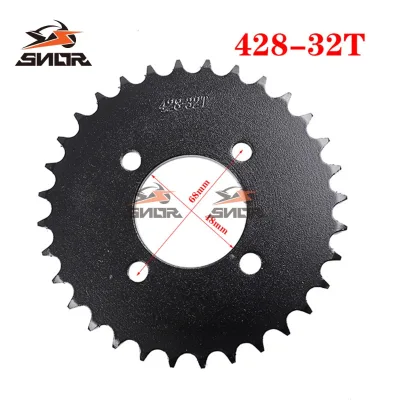
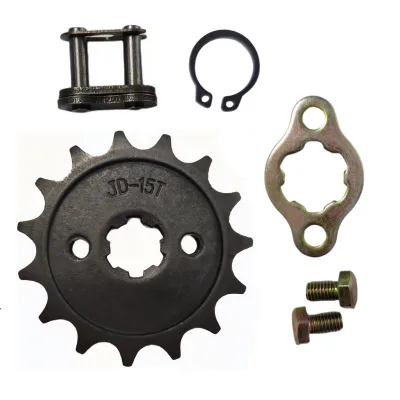
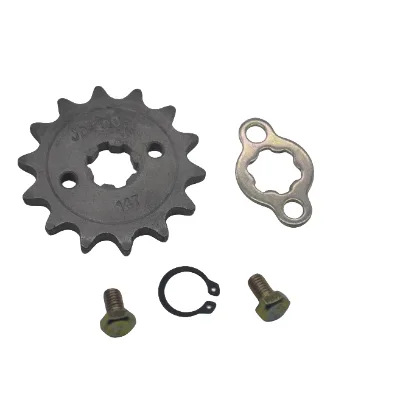
Technical verification is paramount when sourcing front sprockets, as incorrect specifications can lead to catastrophic drivetrain failure. Key attributes to confirm include the number of teeth, pitch, and bore diameter. Observed data points to specifications such as 15T, 17mm bore, and 428 pitch, which are common for many standard motorcycles. Buyers must cross-reference these numbers with their specific motorcycle model, such as the CG125 or Speedway, to ensure exact fitment. The placement on the vehicle, typically the clutch or gearbox area, further dictates the required strength and wear resistance of the component.
Material selection is another critical technical factor. While some listings specify stainless steel for corrosion resistance, others may use carbon steel or ADC12 aluminum. The silver color may be a natural finish or a coating, which affects longevity. Buyers should verify the single gross weight, which can range from 80g to 1.0 kg, as a proxy for material density and robustness. Additionally, checking the single package size helps in planning storage and shipping logistics. Ensuring that the sprocket is in new condition and meets the specified tooth count is non-negotiable for maintaining proper gear ratio and performance.
Compliance and Safety Documentation
While specific certification standards are not explicitly detailed in the observed listings, buyers must insist on documentation that proves compliance with international safety and quality norms. For motorcycle components, this often includes ISO 9001 for quality management systems and potentially ISO/TS 16949 for automotive and motorcycle parts manufacturing. Buyers should request certificates of conformity that attest to the material composition and mechanical properties of the sprocket. Without these documents, there is a risk of sourcing substandard parts that may fail under stress, leading to liability issues.
Warranty terms also serve as a proxy for supplier confidence in their product. Observed warranties typically range from one year to 12 months, indicating a standard expectation of durability. Buyers should clarify the scope of this warranty, including coverage for manufacturing defects versus wear and tear. Additionally, understanding the return policy for non-conforming goods is essential. Suppliers offering 24-hour online support and OEM services may provide better post-purchase assistance, which is valuable for resolving any technical queries or quality disputes that arise after delivery.
Cost Drivers and Commercial Terms
Several factors influence the final cost of silver motorcycle front sprockets, with material type and finishing processes being primary drivers. Stainless steel and specialized alloys command higher prices due to their superior corrosion resistance and strength. The silver finish itself, whether anodized, polished, or coated, adds to the manufacturing cost. Buyers should analyze the price per unit in the context of the MOQ, as larger orders often yield better economies of scale. However, the lowest price should not be the sole determinant, as it may correlate with inferior material quality or thinner tooth profiles.
Payment terms and shipping costs also impact the total cost of ownership. Common payment methods include T/T, L/C, PayPal, and MoneyGram, each with different security and fee structures. Buyers should negotiate terms that protect their interests, such as partial payments upon shipment and the remainder upon receipt. Shipping options vary from sea to air express, with significant implications for lead time and cost. For urgent orders, air transport may be necessary, but for bulk purchases, sea freight offers substantial savings. Understanding these commercial variables helps in creating a realistic budget and avoiding hidden costs.
Supplier Qualification and Quality Control
Supplier qualification is a critical step in mitigating the risks associated with sourcing motorcycle components. Buyers should verify the supplier’s business license, manufacturing capabilities, and export history. The presence of OEM services and a brand name like SNOR or CQSP suggests a level of professionalism and market presence. However, buyers must conduct due diligence to ensure that the supplier is not merely a trading company misrepresenting itself as a manufacturer. Requesting factory audits or third-party verification reports can provide insights into the production environment and quality control processes.
Quality control measures should be explicitly defined in the purchase agreement. Buyers should specify inspection criteria, such as tooth profile accuracy, surface finish quality, and material hardness. Sampling plans, such as AQL (Acceptable Quality Limit), should be agreed upon before production begins. The supplier’s ability to provide high-quality samples is a positive indicator, but it does not guarantee batch consistency. Implementing pre-shipment inspections or hiring third-party inspection agencies can help ensure that the delivered goods meet the agreed-upon standards. This proactive approach reduces the risk of receiving defective products.
Long-Term Procurement Checks
Long-term procurement success depends on establishing a robust relationship with reliable suppliers and continuously monitoring performance. Buyers should track key performance indicators such as on-time delivery rates, defect rates, and responsiveness to issues. Regular communication with the supplier, leveraging their 24-hour online support, can help address any emerging problems promptly. Building a partnership rather than a transactional relationship can lead to better pricing, priority production, and access to new product developments. This strategic approach ensures a stable supply chain for critical motorcycle components.
Additionally, buyers should stay informed about market trends and technological advancements in sprocket manufacturing. New materials or finishing techniques may offer improved durability or cost efficiency. Periodically reviewing the supplier’s product catalog and specifications can help identify opportunities for optimization or diversification. Maintaining a diverse supplier base can also mitigate risks associated with single-source dependencies. By continuously evaluating and adapting procurement strategies, buyers can ensure the long-term reliability and cost-effectiveness of their silver motorcycle front sprocket supply.
FAQs
What materials are used for silver motorcycle front sprockets?
Silver motorcycle front sprockets are commonly made from steel or stainless steel to ensure durability. Some variants may use ADC12 alloy for specific applications. These materials provide the necessary strength for lower placement on the vehicle while resisting wear during operation.
Which brands offer compatible sprockets for Honda motorcycles?
Brands such as SNOR and CQSP offer compatible sprockets designed specifically for Honda motorcycles. These products are engineered to fit lower placement requirements and often come with high-quality standards. Buyers can find options suitable for both replacement and repair purposes.
Can I order samples before purchasing bulk quantities?
Yes, samples are available for most silver motorcycle front sprocket listings. Some suppliers offer free samples to verify quality before committing to larger orders. This allows buyers to test specifications like tooth count and material grade prior to finalizing a bulk purchase agreement.
What is the minimum order quantity for these sprockets?
The minimum order quantity varies by supplier but typically ranges from 100 to 500 pieces. Some listings specify an MOQ of 100 PCS while others require 500 pcs. Buyers should check individual product pages to confirm the exact threshold for their specific order size.
How long is the warranty period for these parts?
Most silver motorcycle front sprockets come with a warranty period of 12 months or one year. This coverage ensures protection against manufacturing defects. Buyers should verify the specific warranty terms with the supplier to understand the scope of coverage for their purchase.
Which shipping methods are available for international orders?
International orders can be shipped via sea, air, or land transport depending on urgency and cost. Suppliers often provide options like air express for faster delivery or sea transport for bulk shipments. Buyers should select the method that best fits their timeline and budget requirements.
What specifications are available for the sprocket tooth count?
Specifications for tooth count typically range from 14 to 49 teeth, with common models like 15T or 17T available. The product model numbers often indicate these details, such as 428-15T-17mm. Buyers must select the correct tooth count to match their motorcycle's gear ratio requirements.